
Digital Workflows in Everyday Lab Practice
What a fully digital case actually looks like on the bench — and where the real gains in remakes, turnaround and shade show up.
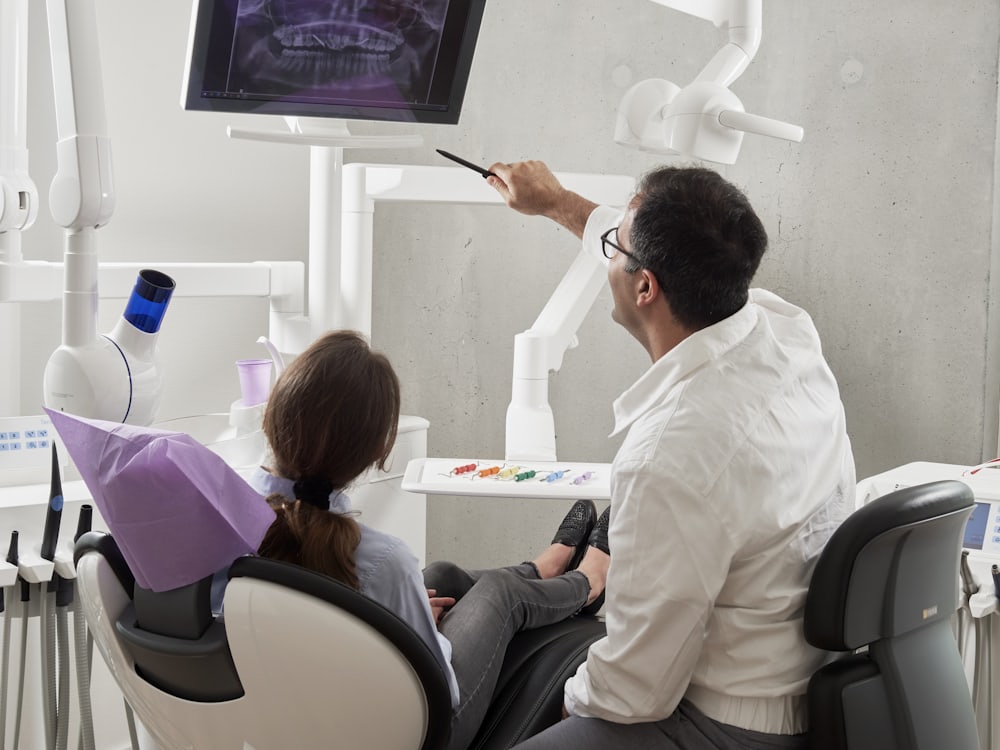
"Digital" gets used as a buzzword, but in a working lab it means something concrete: fewer physical hand-offs, fewer chances for error to creep in, and a case that can be checked, corrected, and reproduced before a single restoration is milled. Here is what a fully digital case actually looks like once it reaches us — and where the real gains show up.
The digital case, step by step
- Scan lands. An intraoral scan arrives as a file — no impression to pour, no shipping delay, no distortion from a set that pulled slightly on removal.
- Margin check. We review the margin and clearance on screen at high magnification. Anything unclear gets flagged to you immediately, while it is still cheap to fix.
- Design. The restoration is built in CAD to your prescription — contacts, occlusion, and emergence all set with numbers, not guesswork.
- Manufacture. The design is milled or printed, inspected, and finished.
- Deliver. Because every earlier step was verified digitally, what reaches your chair tends to seat with minimal adjustment.
Where digital actually wins
It is not magic — it is the removal of small, compounding errors. In practice you feel it as:
- Fewer remakes, because margins are verified before anything is made
- Predictable turnaround, because the workflow is the same every time
- Closer shade matches, since photos map directly onto the design
- An archived case — if a unit ever needs remaking years later, the file is still there
Analog vs digital, honestly
Digital is not automatically better at everything. A fair comparison:
| Analog | Digital | |
|---|---|---|
| Impression comfort | Variable | Generally better |
| Turnaround | Slower (pour, ship) | Faster |
| Reproducibility | Depends on the model | Exact, archived |
| Up-front cost | Lower | Scanner investment |
The point of going digital is not the technology. It is that a checked, repeatable process quietly removes the errors you used to catch at the chair.
Getting started
You do not need to digitise your whole practice overnight. Most clinics we work with start simply:
- Send one straightforward case as a scan and see how the seat feels
- Compare the chairside adjustment time against your usual analog case
- Scale up from there at whatever pace suits you
When you are ready to try one, the contact page is the fastest way to reach the bench — send a case and see what precision digital workflows feel like in practice.